


Shark Stop
2mm MAX Two-Piece Oversuit
Verfügbarkeit für Abholungen konnte nicht geladen werden
Nothing Left Exposed: The Shark Stop MAX 2mm Oversuit
When the job calls for total protection, there's no room for gaps. The Shark Stop MAX range is built for one thing: maximum, full-body bite-resistant coverage. Unlike our CORE and FLEX ranges, which balance protection with flexibility by placing our UHMWPE protection in targeted panels, the MAX 2mm Oversuit is constructed from 100% protective material — designed to be worn as an extra layer over your existing wetsuit, or on its own when total coverage is what matters most.
This is a 2-piece, commercial-grade design built for the divers and spearfishers who spend hours in the water and need a dependable, rugged final line of defence — not top-end flexibility. Because it prioritises coverage over stretch, the MAX Oversuit isn't built for high-mobility sports like surfing, foiling, or kiteboarding. For those, check out our FLEX range instead.
Why the MAX 2mm Oversuit is your ultimate line of defence:
-
Total Coverage Protection: Unlike our CORE and FLEX ranges, which place bite-resistant UHMWPE fibre in targeted zones, the MAX Oversuit is built from 100% protective material — full-body armour with no gaps in coverage.
-
Scientifically Proven: Uses the same independently tested material, proven on live Great White and Tiger Sharks by Flinders University to prevent 100% of critical injuries.
-
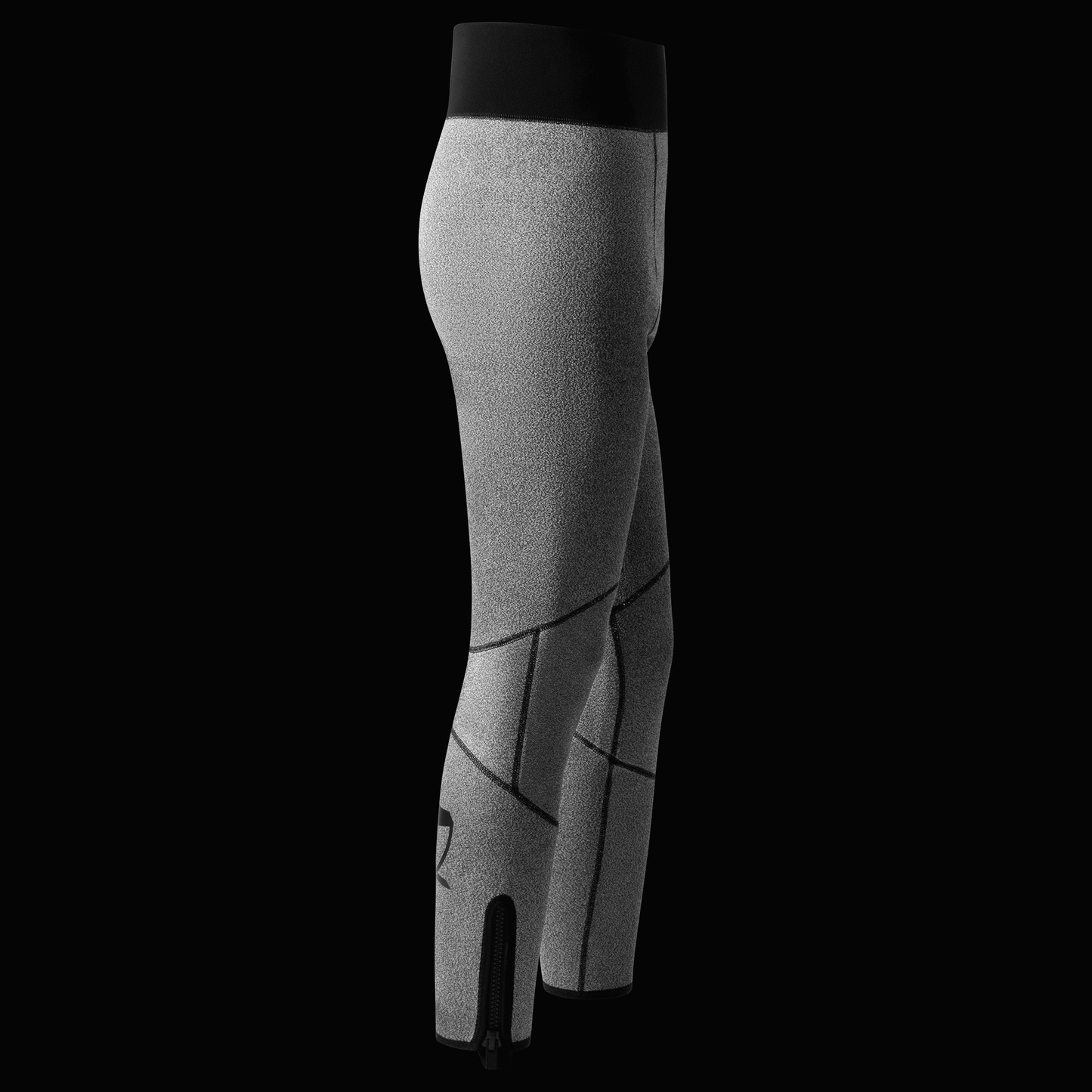
2-Piece Commercial-Grade Design: A jacket-style front-zip top with wrist zips, paired with high-waisted pants featuring a comfortable neoprene waistband and a secure neoprene beaver tail, for a fully sealed fit.
-
Easy On, Easy Off: Ankle zips on the pants and wrist zips on the jacket make it fast to get in and out of, even over gloves and boots.
-
Wear It Alone or Layer It Up: Designed to be worn over your existing wetsuit for an extra shield of protection, or on its own when maximum coverage is all you need.
-
Optional Thermal Hood: Add an integrated hood at checkout for extra head and neck coverage on long dive days.
Backed by Science
When you're relying on full-body coverage, the proof matters more than ever. Our bite-resistant technology is the result of years of peer-reviewed research:
"Our findings suggest that lightweight bite-resistant materials integrated into traditional wetsuits designs offer a promising [...] approach to reduce injuries, haemorrhaging and tissue loss from the species responsible for most fatal bites globally." — Clarke et al (2025)
Is the MAX 2mm Oversuit right for you?
-
Commercial Divers who need maximum, full-body protection for long days working underwater.
-
Spearfishers who spend long, static hours in the water and prioritise protection over range of motion.
-
Ocean Professionals who need a rugged, dependable final layer of defence on the job.
-
Anyone wanting extra bite-resistant coverage layered over their existing wetsuit.
Sizing Guide
Unsure what size to choose? View our size chart
→ Still unsure? Reach out to our team for personalised sizing support. The MAX Oversuit is designed to layer over your existing wetsuit, so if that's how you'll be wearing it, we recommend sizing up 1–2 sizes from your usual Shark Stop fit. Wearing it on its own? Stick with your regular size.
Sustainability: Closing the Loop
We're committed to making our gear last, and keeping materials out of the ocean and landfill. Through our partnership with CircularFlow, we close the loop by transforming wetsuit offcuts and end-of-life suits into new, valuable materials. This ensures our resources stay in use, and out of the environment.
Liability
Wearing a Shark Stop wetsuit will not reduce the likelihood of a shark bite or prevent death by shark bite.
We encourage people to wear a Shark Stop wetsuit when working in, or enjoying the ocean, in order to reduce the extent of bodily injury caused by shark bite.
The materials used in Shark Stop wetsuits are designed only to reduce the extent of skin and soft tissue penetration caused by shark bite and Shark Stop wetsuits provide no protection from the pressure impact of a shark bite (eg. bruising, crushing and/or breaking of bones and other bodily damage) or from drowning caused by shark bite.
While extensive testing has been performed in the development of the materials used in Shark Stop wetsuits to reduce the degree of bodily injury caused by shark bite, Shark Stop wetsuits must not be considered as a life saving device and Shark Stop accepts no liability for personal injury and/or death resulting from the use of Shark Stop wetsuits.
Versand und Rücksendungen
Versand und Rücksendungen
The ocean is a wild place, and we believe it belongs to the marine life that calls it home. Our mission isn't to conquer nature, but to facilitate a respectful relationship with it.
Killing sharks will not keep us safe, and the health of our oceans relies on healthy shark populations. By changing people's perceptions of the importance of sharks and how we can coexist with them, rather than dominate them, we aim to bring to light many other issues threatening our sharks.
Personal safety is in our own hands. By equipping you with the right protection and emergency tools, we empower you to 'fear less and enjoy the ocean more’, entering the water with confidence while respecting the balance of the ecosystem.
All of our products are designed to help you enjoy the ocean with peace of mind, and be prepared should a negative interaction such as a shark bite occur.
Maße
Maße
Participating in watersports in the vicinity of sharks is an inherently dangerous activity. If a shark is sighted, get to safety as soon and as calmly as possible. Do not stay in the water.
Shark behaviour can be unpredictable and a shark bite can be extremely dangerous.
Even utilising the full range of Shark Stop (or other shark bite mitigation) products, safety can never be guaranteed in a wilderness such as the ocean, or when in the vicinity of wild animals such as sharks.
Participation in ocean activities is at your own risk. Shark Stop provides tools to improve safety outcomes but is not liable in any way for injuries sustained in unpredictable marine environments.


Größentabelle
ANLEITUNG FÜR MESSUNGEN
Bitte messen Sie in Badegästen, um möglichst genaue Messungen zu erhalten
Größe: Diese Messung sollte barfuß erfolgen. Der einfachste Weg, diese Messung zu ermitteln, besteht darin, dass der Kunde mit den Fersen an einer Wand steht und geradeaus schaut. Machen Sie mit einem Bleistift oder einem Stück Klebeband eine kleine Markierung an der Wand auf Höhe des höchsten Teils des Kopfes und lassen Sie ihn dann einen Schritt zurücktreten, damit Sie die Messung durchführen können.
ARMLÄNGE (Hals bis Handgelenk): Halten Sie den Arm entspannt auf der Seite und messen Sie vom Halsansatz bis zur Schulterkante und dann bis zum Handgelenk des Kunden.
Brust: Bitten Sie den Kunden, die Arme zu heben. Legen Sie das Klebeband auf Brustwarzenhöhe um die Brust/Büste. Lassen Sie den Kunden seine Arme senken und prüfen Sie dann, ob das Maßband vorne und hinten horizontal ist, bevor Sie die Messung durchführen. Die Messung erfolgt entspannt, nicht mit gestreckter Brust.
Taille: Diese Messung sollte eigentlich als „Bauch“-Messung bezeichnet werden. Die Messung erfolgt an der größten Stelle der Taille/Bauch. Der einfachste Weg, dies zu tun, besteht darin, den Taillenpunkt auf dem Rücken des Kunden zu finden und dann sicherzustellen, dass das Maßband horizontal ist, während Sie um den Bauch herum nach vorne messen.
Hüften: Lassen Sie den Kunden bei dieser Messung im 90-Grad-Winkel zu Ihnen stehen. Suchen Sie nach der breitesten Stelle des Sitzes (Gesäß) und messen Sie, sodass das Maßband horizontal verläuft.
Oberschenkel: Diese Messung des Oberschenkels erfolgt auf Schritthöhe. Stellen Sie sicher, dass das Klebeband horizontal verläuft und nicht über dem unteren Gesäß liegt.
BEINLÄNGE (vom Schritt bis zum Knöchel): Platzieren Sie ein Lineal direkt auf Schritthöhe zwischen den Beinen. Bitten Sie den Kunden, mit schulterbreit auseinander stehenden Füßen aufrecht zu stehen und geradeaus zu schauen. Nehmen Sie die Messung von der Oberkante des Lineals so nah wie möglich am Körper vor, entlang der Innenseite des Beins bis zum inneren Knöchel.


